Introduction: The Next Leap in Robotic Mobility
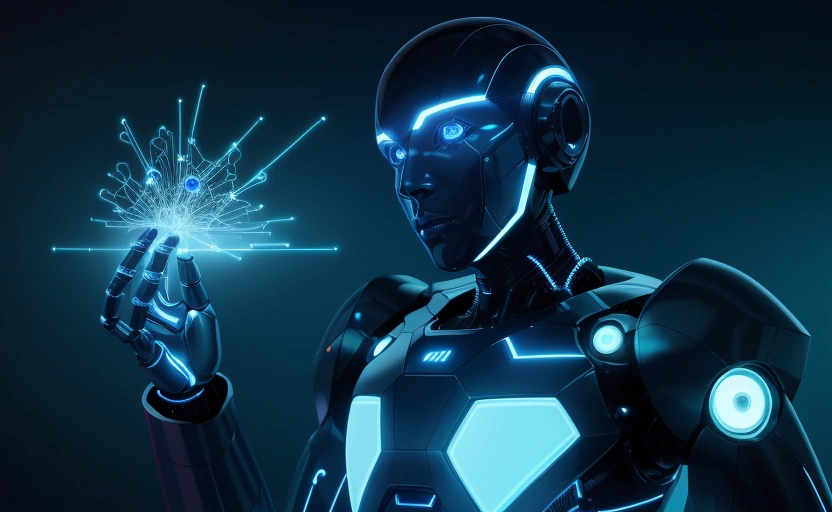
The quest for the perfect robotic locomotion system has long presented a dilemma: wheels offer speed and efficiency on smooth surfaces, while legs provide unparalleled versatility for navigating complex, real-world terrain. What if you didn't have to choose? A fascinating new development, aptly nicknamed "Roadrunner," is capturing attention by bridging this gap. This bipedal, wheeled robot represents a paradigm shift towards true multi-modal locomotion, hinting at a future where machines can seamlessly transition from rolling down a warehouse aisle to climbing a staircase, all within a single, uninterrupted task.
Beyond Single-Mode Limitation: The Power of Hybrid Design
Traditional robots are often engineered for a specific environment—wheeled bots for factories, legged robots for rough outdoor research. This specialization creates bottlenecks in dynamic settings like construction sites, large-scale retail fulfillment centers, or last-mile delivery in cluttered urban areas. The Roadrunner concept tackles this head-on. Its core innovation lies in its transformative design: it uses its legs not just for walking, but to become its own wheels. By folding its limbs into a circular configuration, it can achieve high-speed rolling. When it encounters an obstacle, it simply unfolds and walks. This eliminates the need for complex ramps or completely flat, obstacle-free routes, allowing a single robot to handle an entire workflow from loading dock to storage shelf to office delivery.
Implications for the Modular Business of Tomorrow
This leap in physical agility mirrors the digital agility that modern businesses strive for. In an operational landscape where requirements change daily, locking into a single, rigid system is a liability. The ability to switch modes on-the-fly is a powerful advantage. Imagine a robot in a modular business hub that can:
- Swiftly roll across a large open floor to retrieve inventory.
- Deploy its bipedal mode to carefully navigate a crowded R&D lab or step over spilled items.
- Use precise leg control to place items on high or low shelves without complex arm attachments.
- Transition to a stable, wheeled platform to act as a secure courier for sensitive components between departments.
This fluidity maximizes a single asset's utility, reducing the need for multiple single-purpose machines and streamlining capital investment. It’s a principle that resonates deeply with platforms like Mewayz, which empower businesses to build adaptable, modular operating systems where software, processes, and now potentially physical agents, can be reconfigured for evolving needs.
Integration and Orchestration: The True Challenge
A robot's physical capability is only half the story. Its real value is unlocked through seamless integration into a larger business operating system. A multi-modal robot like Roadrunner generates complex data and requires intelligent tasking. It needs to know when to roll and when to walk based on real-time environmental data and priority orders. This is where a unified business OS becomes critical. A platform like Mewayz could orchestrate such advanced agents, tying their tasks directly to inventory modules, delivery tickets, or facility management alerts. The robot's transition from wheeled to legged mode wouldn't just be a mechanical act, but a digitally-directed decision within an optimized workflow.
The future of automation isn't about creating a faster wheel or a more efficient leg; it's about creating intelligent systems that can choose the optimal tool for the moment. This philosophy applies to both robotics and business software. True operational resilience comes from modularity and the freedom to adapt.
💡 DID YOU KNOW?
Mewayz replaces 8+ business tools in one platform
CRM · Invoicing · HR · Projects · Booking · eCommerce · POS · Analytics. Free forever plan available.
Start Free →
Conclusion: A Step Toward Adaptive Physical Workflows
The Roadrunner robot is more than a compelling engineering video; it's a prototype for a more adaptable physical layer of business operations. As these technologies mature, the focus will shift from pure hardware to the software and platforms that can harness their full potential. The businesses that will thrive are those built on flexible foundations—digital and physical. By embracing modularity, both in their business OS, like Mewayz, and in their automation investments, they can build operations that aren't just efficient on today's terrain, but are ready to traverse the unexpected obstacles of tomorrow.